March 18, 2026
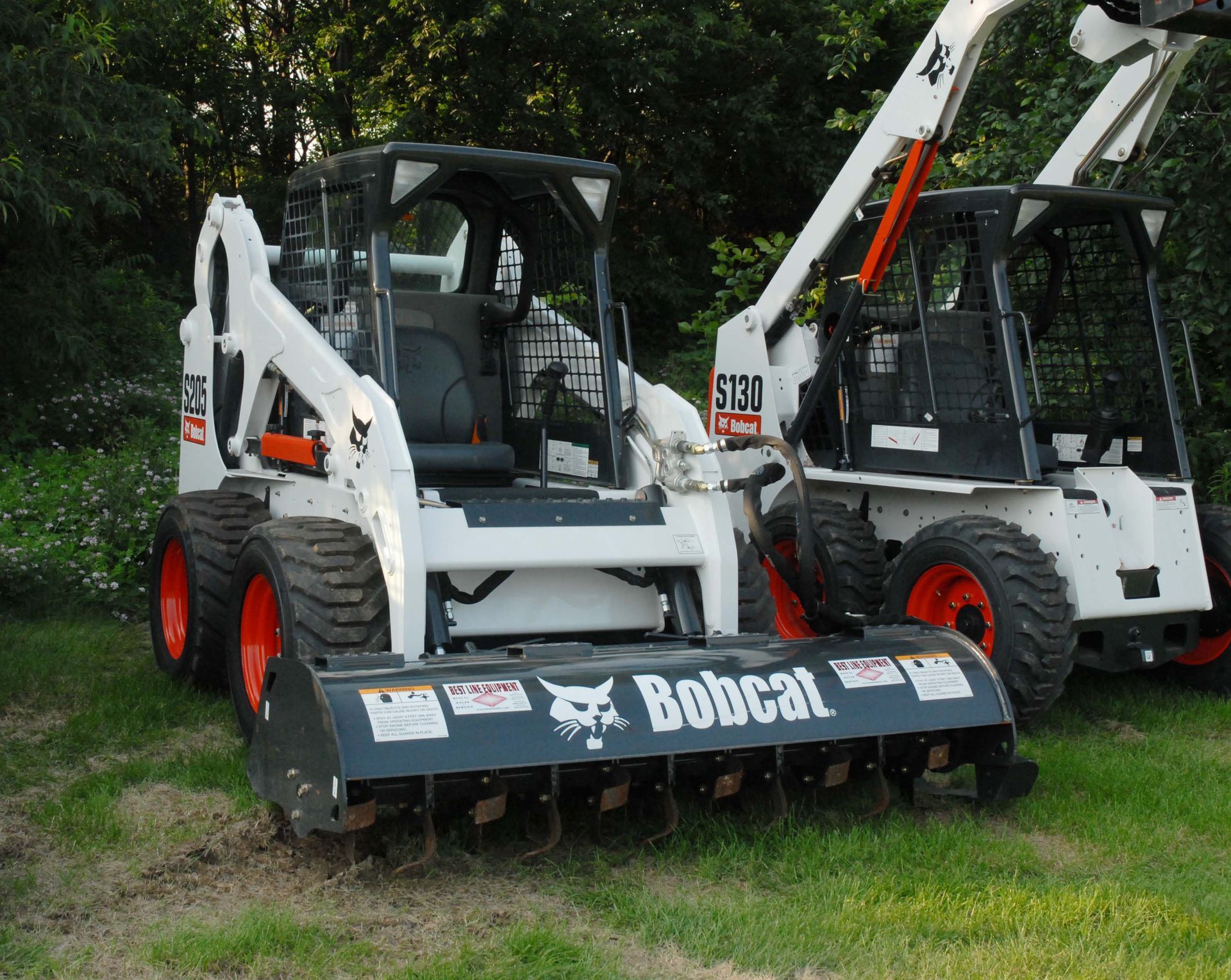
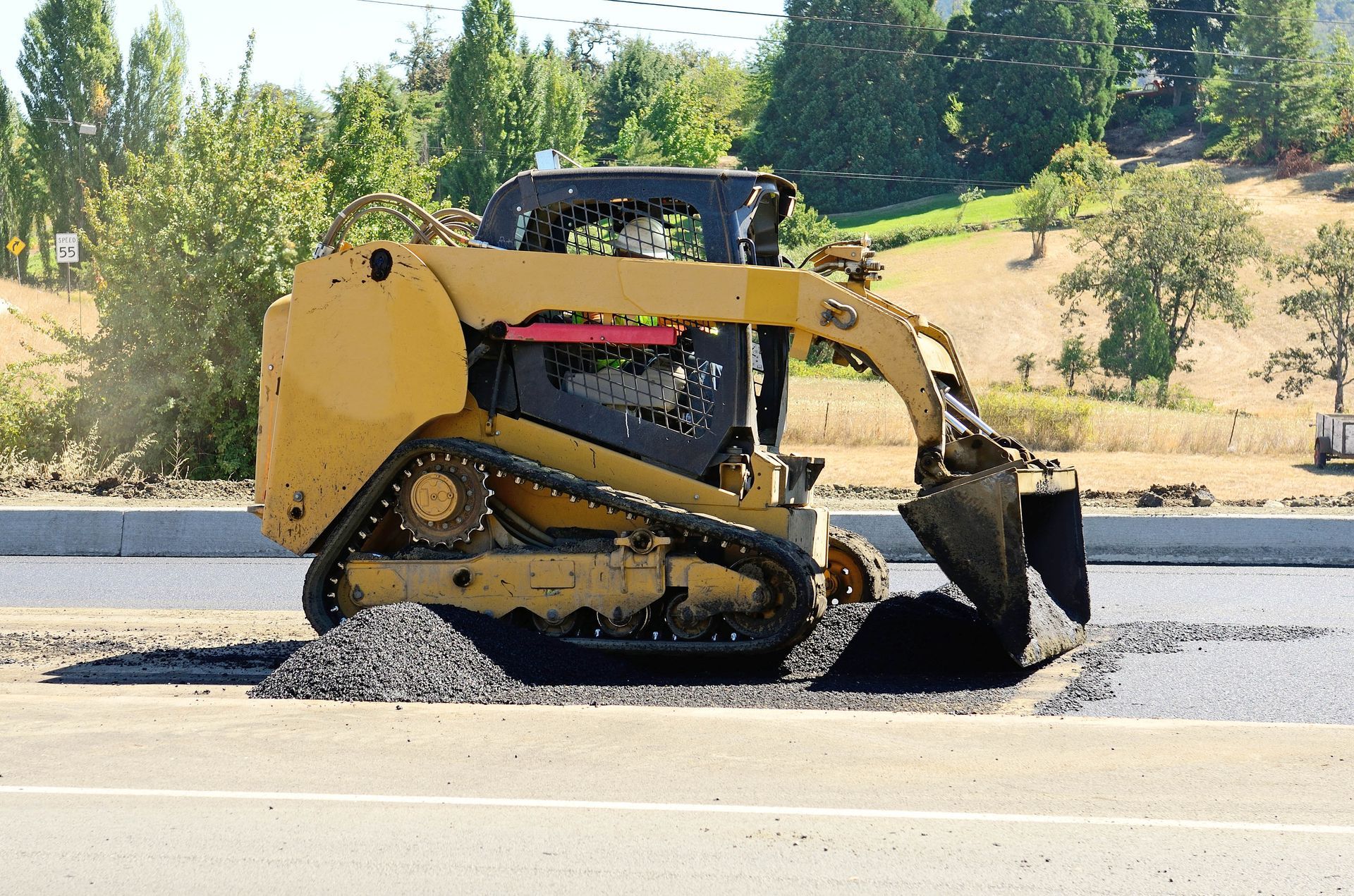
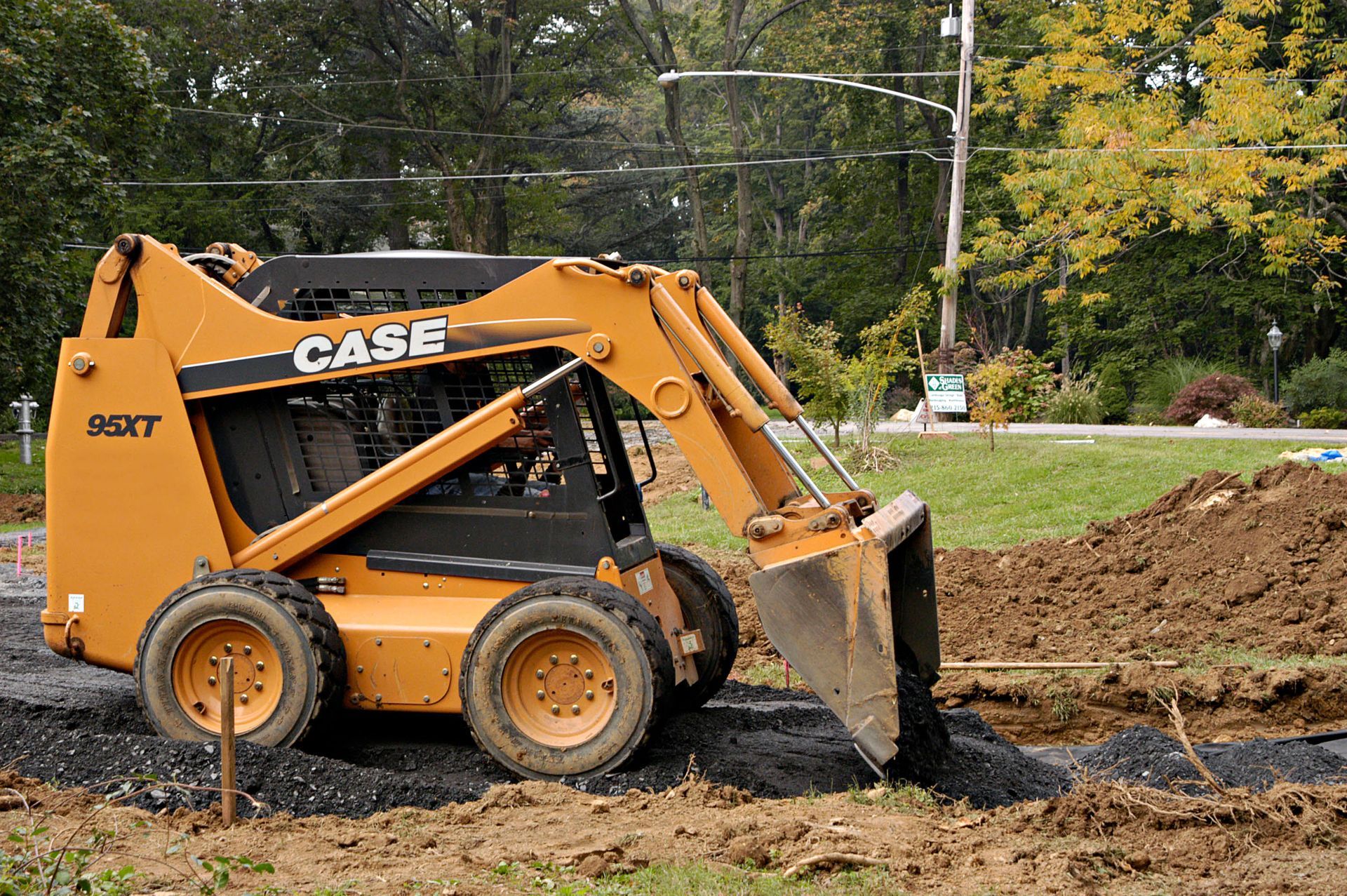
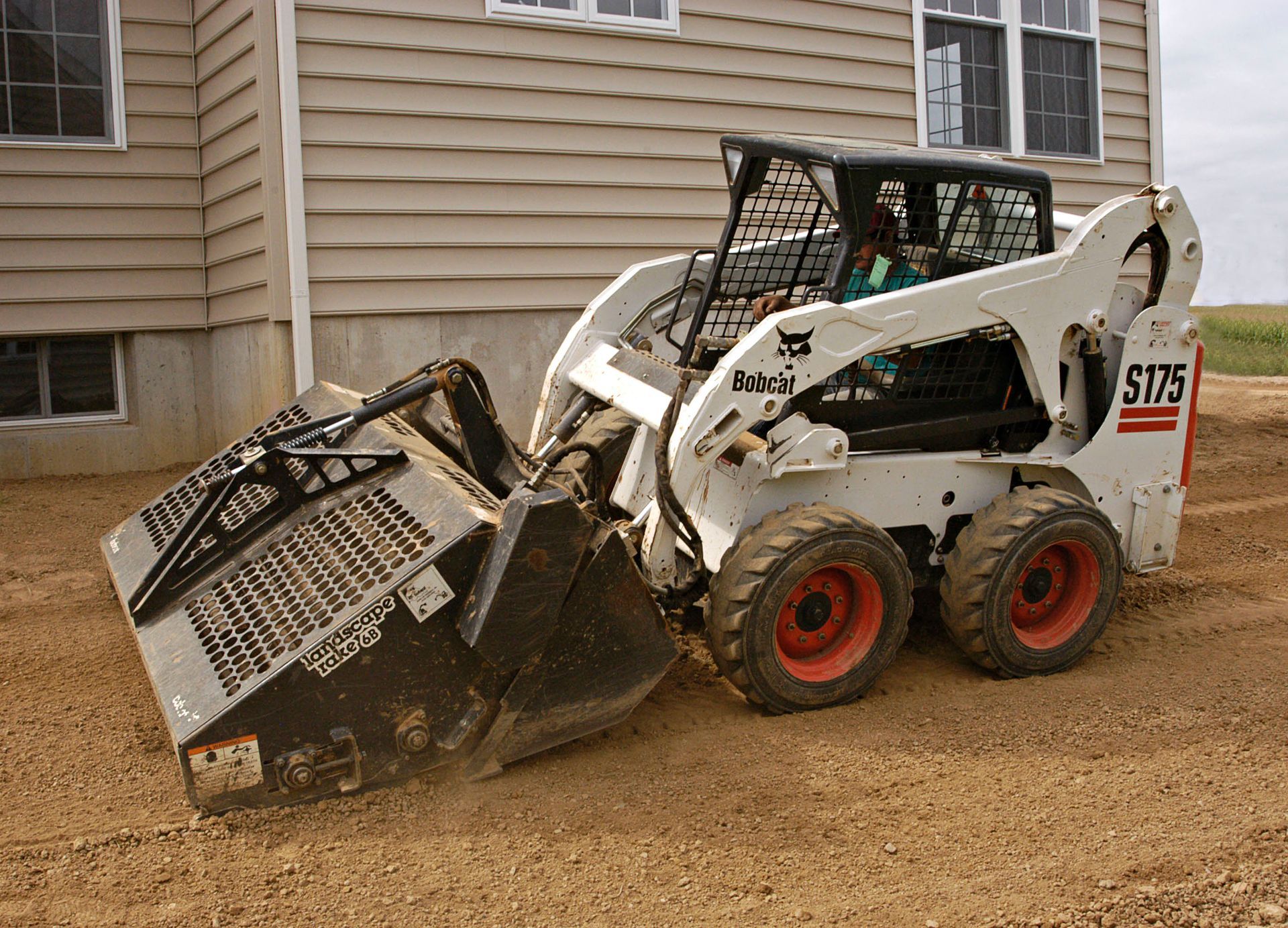
Skid steer loaders are among the most versatile pieces of equipment used in construction, landscaping, agriculture, and material handling. Their compact size, maneuverability, and ability to operate a wide range of attachments make them an essential tool for many industries. Because skid steers are used for demanding tasks every day, consistent maintenance is necessary to keep them operating reliably and prevent costly downtime.
Proper maintenance not only improves equipment performance but also extends the lifespan of the machine. The skid steer loader market was estimated to be over $4 billion in 2025 and is anticipated to reach nearly $13 billion by 2035, according to Future Market Insights. As the use of skid steers continues to grow across industries, maintaining these machines properly becomes even more important for businesses that depend on them for daily operations.
Inspect the Machine Before Each Use
Daily inspections are one of the simplest ways to prevent mechanical issues from developing into larger problems. Before operating skid steers, operators should check for visible damage, fluid leaks, loose components, or worn parts. Catching small issues early helps prevent unexpected breakdowns during work hours.
Operators should also inspect safety components such as lights, alarms, and seat belts to ensure they are functioning properly. Regular inspections allow operators to identify potential issues before they impact performance. This routine helps reduce downtime and ensures skid steers remain safe and reliable on the job site.
Maintain Proper Fluid Levels
Fluids play a critical role in keeping heavy equipment running efficiently. Engine oil, hydraulic fluid, coolant, and fuel must all remain at proper levels to prevent overheating and excessive wear on internal components. Low fluid levels can quickly lead to mechanical damage if they are not addressed promptly.
Checking fluid levels regularly ensures that skid steers operate smoothly under heavy workloads. Clean fluids help lubricate moving parts and regulate temperatures during operation. Keeping fluids properly maintained helps extend the lifespan of the equipment while minimizing the likelihood of unexpected downtime.
Clean the Machine After Heavy Use
Construction and landscaping environments often expose skid steers to dirt, mud, and debris. When this buildup accumulates on the machine, it can interfere with moving parts and cooling systems. Regular cleaning helps prevent debris from affecting equipment performance.
Cleaning skid steers after demanding jobs also allows operators to inspect components more closely. Removing mud and debris from the undercarriage, engine compartment, and attachment areas makes it easier to identify worn or damaged parts. This simple step can prevent minor issues from turning into larger mechanical failures.
Check and Maintain Hydraulic Systems
The hydraulic system is one of the most important components of skid steers because it powers the lifting arms and attachments. If hydraulic lines become damaged or fluid levels drop, the machine may lose lifting strength or operate inefficiently. Regularly inspecting hoses and connections helps prevent leaks and system failures.
Operators should also monitor hydraulic fluid quality and replace it according to the manufacturer’s maintenance schedule. Contaminated hydraulic fluid can reduce system efficiency and damage internal components. Maintaining the hydraulic system ensures skid steers continue operating with the strength and precision required for demanding tasks.
Inspect Tires or Tracks Regularly
Tires and tracks support the entire weight of skid steers and allow them to move efficiently across different types of terrain. Over time, these components can wear down due to rough surfaces, heavy loads, and constant movement. Regular inspections help ensure they remain in good condition.
Operators should look for signs of excessive wear, cracks, or punctures in tires and check track tension if the machine uses rubber tracks. Proper tire inflation and track maintenance help improve stability and traction. Maintaining these components reduces the risk of operational delays caused by mobility issues.
Lubricate Moving Components
Skid steers contain many moving components that require proper lubrication to function efficiently. Pivot points, pins, and joints experience constant movement during operation, which can lead to friction and wear. Applying grease to these areas helps reduce friction and prolongs component life.
Following a consistent lubrication schedule ensures that important parts remain protected during heavy use. Proper lubrication also improves the smoothness of machine movements and reduces strain on mechanical systems. Keeping skid steers well lubricated is a simple but effective way to maintain long-term performance.
Replace Filters on Schedule
Filters are designed to protect engine and hydraulic systems from contaminants that can damage internal components. Air filters, fuel filters, and hydraulic filters should all be replaced according to the manufacturer’s recommendations. Dirty filters can restrict airflow or fluid movement, reducing efficiency.
When filters become clogged, the machine must work harder to perform normal tasks. This added strain can increase fuel consumption and accelerate wear on internal parts. Replacing filters regularly ensures skid steers maintain optimal performance while reducing the likelihood of mechanical issues.
Monitor Battery and Electrical Systems
The electrical system of a skid steer powers essential components such as ignition systems, lights, sensors, and electronic controls. A weak battery or damaged wiring can prevent the machine from starting or cause operational disruptions. Monitoring the battery and electrical connections helps prevent unexpected equipment failure.
Operators should check battery terminals for corrosion and ensure connections remain secure. Inspecting wiring for damage or wear can also prevent electrical malfunctions. Maintaining the electrical system ensures skid steers start reliably and continue operating without interruption.
Train Operators on Proper Equipment Use
Proper operation plays a major role in reducing wear and tear on heavy equipment. Operators who understand how to handle skid steers correctly are less likely to put unnecessary stress on the machine. Training helps ensure equipment is used safely and efficiently.
Operators should follow manufacturer guidelines regarding load limits, operating speeds, and attachment usage. Avoiding aggressive operation helps protect components such as hydraulics, tires, and lifting arms. Well-trained operators can significantly reduce the risk of mechanical issues and downtime.
Follow the Manufacturer’s Maintenance Schedule
Every piece of heavy equipment comes with a recommended maintenance schedule provided by the manufacturer. These guidelines outline when certain parts should be inspected, serviced, or replaced. Following these recommendations helps ensure skid steers receive the proper care they need.
Routine maintenance tasks such as oil changes, system inspections, and component replacements keep equipment functioning at peak performance. Staying consistent with scheduled maintenance helps prevent major breakdowns and extends the lifespan of the machine. For businesses that rely on skid steers daily, following these schedules is essential for maintaining productivity.
Store Equipment Properly When Not in Use
Proper storage plays an important role in protecting skid steers from unnecessary wear and environmental damage. When equipment is left exposed to rain, snow, or extreme temperatures, components such as electrical systems, hydraulic lines, and metal surfaces may deteriorate more quickly. Storing machines in a covered area or equipment shed helps shield them from harsh weather conditions.
Operators should also take time to shut down machines properly at the end of each workday. Cleaning the machine, lowering attachments to the ground, and turning off electrical systems helps prevent damage during storage. Protecting skid steers when they are not in use helps extend their lifespan and ensures they are ready for reliable operation on the next job.
Regular maintenance is essential for keeping skid steers operating efficiently and minimizing costly downtime. By inspecting equipment daily, maintaining fluids, servicing hydraulic systems, and following proper maintenance schedules, operators can protect their machines and extend their lifespan. At Larson Equipment Co, our team understands how important reliable equipment is for your operations. If you need expert support, equipment service, or quality machinery to support your work, contact our team today to learn how we can help keep your skid steers performing at their best.